Comics and Graphic Novels

Step into the world of comics and graphic novels with this category. Here, we explore the imaginative and visually stunning works that transcend traditional storytelling formats. Osamu Tezuka’s “The Paper Fortress” and Taiyo Matsumoto’s “Sunny” take us on unique journeys through their exceptional artwork and narratives. These reviews will introduce you to the captivating world of graphic storytelling, where illustrations and words come together to create unforgettable experiences.

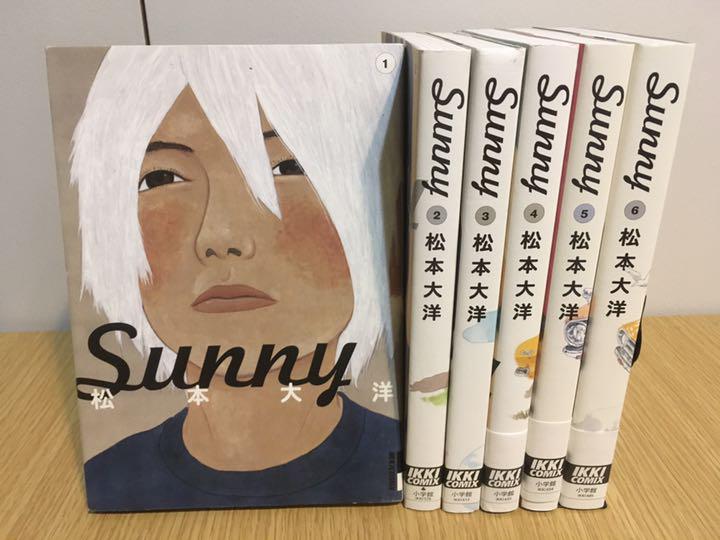
Sunny books

Book Review: “Sunny” by Taiyo Matsumoto

In “Sunny,” a manga created by Taiyo Matsumoto, we are confronted with the stark truth of children growing up without families, a tragedy amplified by Japan’s grave adoption problem. While most developed countries place orphaned children or those with neglectful biological parents in foster care or arrange for adoption, Japan’s slow and inefficient bureaucracy leaves many children in institutions. Each year, countless babies are placed in foster homes due to the ineptitude of biological parents who refuse to relinquish custody and an outdated administration lacking effective intervention. Matsumoto’s Exploration of Children and Social Exclusion Taiyo Matsumoto consistently tackles the theme of children and social exclusion in his comics. In his renowned work, “Tekkon Kinkreet,” two orphaned boys navigate a dystopian world engulfed in violence. “Go Go Monsters” and the collection of short stories titled “Primavera Azul” also delve into the lives of maladjusted children and adolescents. “Sunny,” now available in an exquisite comprehensive edition published by ECC, focuses on the daily lives of children in foster care. Although the manga states that the characters and events are entirely fictional, the narrative is painfully plausible, enabling readers to empathize deeply with the characters and their circumstances. It serves as a powerful fictional account based on a tragic reality that persists in Japan to this day. The House of the Children of the Stars: A Place of Chaos and Imagination “The House of the Children of the Stars” is the enchanting name of the foster home presented in “Sunny.” Within its walls resides a unique and peculiar family comprised of infants, young children, teenagers, caregivers, the owner, a dog, and a cat. Matsumoto delicately portrays the chaos that unfolds daily, capturing moments of humor and nostalgia. Adjacent to the house sits an old and dilapidated yellow Nissan Sunny, within which the children escape the harsh reality of their lives by imagining themselves in various whimsical scenarios—becoming race car drivers, flying through the stars, or fugitive gangsters evading justice. Through the progression of the story, each character’s reality and their coping mechanisms are unveiled. Matsumoto expertly molds his characters, delving into their traumas and experiences to shape their deeply complex personalities. The Children and their Struggles Among the children, we encounter Haruo, a boy with white hair who channels his frustrations into acts of hooliganism, stealing or causing mischief to observe the impact on his immediate surroundings—a manifestation of his disappointment, contrasting with the hope of reuniting with his disinterested mother and drifting father. On the other end of the spectrum, we find Junsuke and his younger brother Shosuke, along with Megumu. Junsuke, with his ill mother, and Megumu, an orphan, represent the children with blameless parents. Throughout “Sunny,” we witness alcoholic fathers, mothers forming new families who view their own children as nuisances, and parents who are absent and unreliable. However, Matsumoto portrays some adults in a positive light, particularly the caregivers, exemplified by the character Adachi. Adachi not only tends to the children but also tackles the logistical and financial challenges of the foster home. A charismatic figure, stern at times but ultimately tender, Adachi never views any child as a lost cause. Taiyo Matsumoto’s Unique and Wonderful Artistry Once again, Taiyo Matsumoto captivates readers with his unique and marvelous artwork. Departing from traditional manga styles, his drawings incorporate elements from European comics, employing various camera angles and perspectives. Matsumoto’s clean lines, skillful use of ink and shadows, and meticulous attention to detail, particularly in portraying the rooms of the foster home during chaotic yet enjoyable dinner times, are truly remarkable. His drawings vividly capture the essence of childhood and adolescence like no other, carrying a profound message that avoids sentimentality and cheap tears while stirring the deepest emotions through the depth of its storytelling. Conclusion: A Profound and Thought-Provoking Message “Sunny” by Taiyo Matsumoto sheds light on the harsh realities faced by children growing up without families, highlighting the flaws in Japan’s adoption system. Matsumoto’s poignant storytelling and captivating artwork make this manga an unforgettable reading experience. It serves as a reminder to observe the injustices surrounding us and to recognize the vital importance of providing a loving home for those in need.

Book Review: “Sunny” by Taiyo Matsumoto Read More »
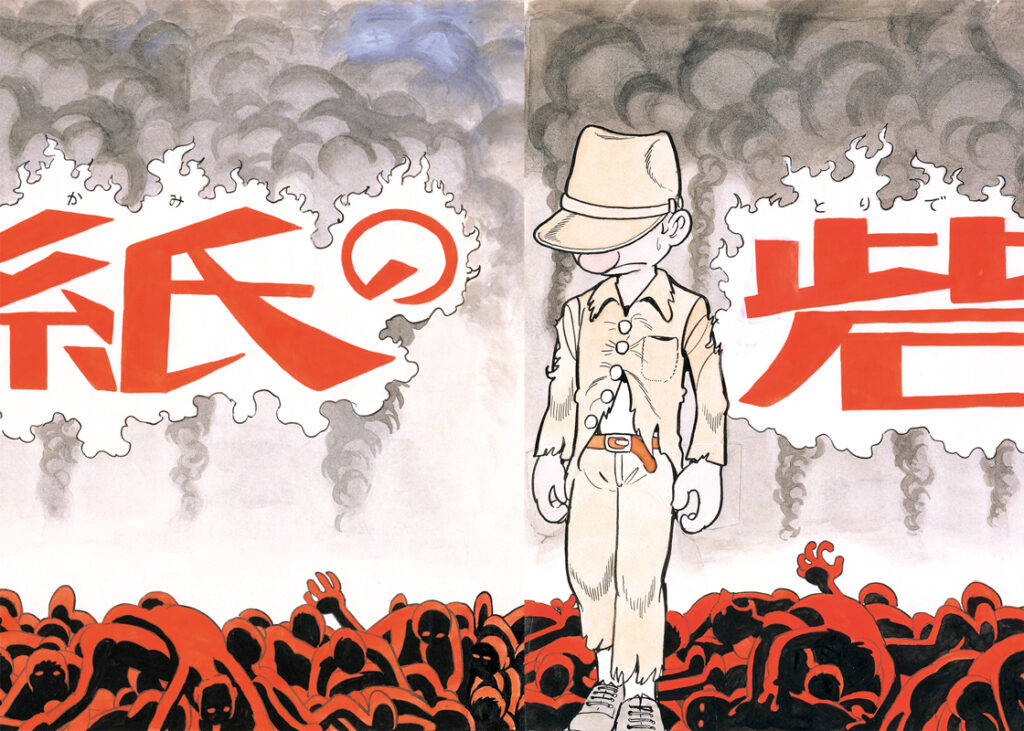
paper fortress art

Review of the comic “The Paper Fortress” by Osamu Tezuka

Upon delving into Osamu Tezuka’s work, it becomes clear that he was an ardent anti-war activist with steadfast beliefs. His works often depict clashes between nations, conveying a resounding message that the madness of war must be halted at any cost. One notable example is “Prime Rose,” where a dazzling science fiction narrative is underpinned by an evident subtext. In his masterpiece “Adolf,” Tezuka adopts a harsh, dramatic, and gritty approach, narrating the story of three individuals named Adolf amidst the tragedy, death, and destruction of World War II. Yet, even amid such miseries, Tezuka manages to unearth glimpses of optimism and love. Having experienced the war firsthand as a teenager, enduring starvation and misery, Tezuka found solace and an anchor in drawing manga. In “The Paper Fortress,” an autobiographical manga published by Planeta Cómic in its Tezuka Library collection, he offers a portrayal of his own experiences living through bombings and the subsequent occupation by the US army. Tezuka becomes the main protagonist of the seven stories that comprise this album, revealing a side of the God of Manga we have never seen before. Tezuka as the Protagonist: Slice of Life Narratives Unlike Tezuka’s usual tendency to make small cameos in his works, breaking the fourth wall, “The Paper Fortress” takes a different approach. Tezuka himself assumes the role of the absolute protagonist, sometimes even adopting different names in various stories. Each story presents a slice of life from the same period, often intertwined and exploring the same specific events that shaped the author’s experiences. “Diary of a Lout” takes us to the black markets that emerged in Osaka at the end of 1945, where survivors sold various goods. At the age of twenty, Tezuka already knew he wanted to be a mangaka, despite his lack of enthusiasm for pursuing a medical degree. This story delves into his journey in detail, guided by a peculiar character that may serve as a metaphor for the path he might have taken if things had turned out differently. It offers a comprehensive account of Tezuka’s career until the mid-60s. “The Fortress of Paper,” the story from which the collection derives its name, transports us back to 1944 when the publication of any non-essential book was prohibited in Japan. Tezuka, serving his country and stationed at an arsenal, secretly drew manga. Amidst the rubble of the drama, with violent superiors and bombings stripping away the world’s beauty, Tezuka surprises readers by injecting moments of humor and surrealism. Sensitivity and Intimacy: Stories that Stand Out Among the tales in “The Paper Fortress,” two stories particularly captivate with their sensitivity and intimacy. “The Story of Tokiwa-so” unfolds from the perspective of a house, which nostalgically recounts its role as the birthplace of famous cartoonists such as Osamu Tezuka, Shotaro Ishimori, Hiroo Terada, and Fujiko Fujio. The house becomes a witness to the creation of great works, as well as the mischief indulged in by these mangakas. It is a short but profoundly moving story that emanates love and respect for a specific place and time. Similarly, “Idle Animal Testing” exhibits Tezuka’s mastery as he employs simple line drawings accompanied by a narration that reaches bucolic heights. Through the tale of a horse and a family of raccoons, Tezuka showcases the clash between tradition and development that ensued at the end of the war. Both stories exemplify the anti-war message and the search for hope that Osamu Tezuka consistently weaved into his work. A Thought-Provoking Work “The Paper Fortress” not only serves as a glimpse into Tezuka’s personal experiences during war, but also prompts readers to reflect on the devastating consequences of conflict. Through his storytelling and artistic prowess, Tezuka paints a vivid picture of the physical and emotional turmoil that war inflicts upon individuals and societies. The juxtaposition of tragedy and humor, despair and resilience, creates a multi-dimensional narrative that resonates deeply with readers. Artistic Presentation In terms of artwork, Tezuka’s signature style shines through in “The Paper Fortress.” His illustrations exhibit a remarkable attention to detail, capturing the essence of each character and setting. From dramatic scenes depicting the destruction caused by bombings to quieter moments of introspection, the artwork complements the storytelling and enhances the emotional impact of the narratives. A Testament to Tezuka’s Legacy “The Paper Fortress” is a testament to the enduring legacy of Osamu Tezuka and his contributions to the world of manga. Through his autobiographical approach, Tezuka offers readers a glimpse into his formative years, revealing the profound influence that war had on his life and artistic expression. It is a work that showcases the depth and versatility of Tezuka’s storytelling abilities, solidifying his status as a master of the medium. Conclusion “The Paper Fortress” is a remarkable addition to the body of work by Osamu Tezuka. Through its autobiographical lens, the comic provides valuable insights into the experiences of the acclaimed mangaka during a tumultuous period in history. Tezuka’s anti-war stance and his ability to find hope amidst despair shine through in this collection of narratives. For fans of Tezuka’s work and those interested in exploring the human impact of war, “The Paper Fortress” is a compelling and thought-provoking read. It is a testament to the power of storytelling and a fitting tribute to one of manga’s greatest pioneers.

Review of the comic “The Paper Fortress” by Osamu Tezuka Read More »